THE
of
THE ART OFOBSERVATION
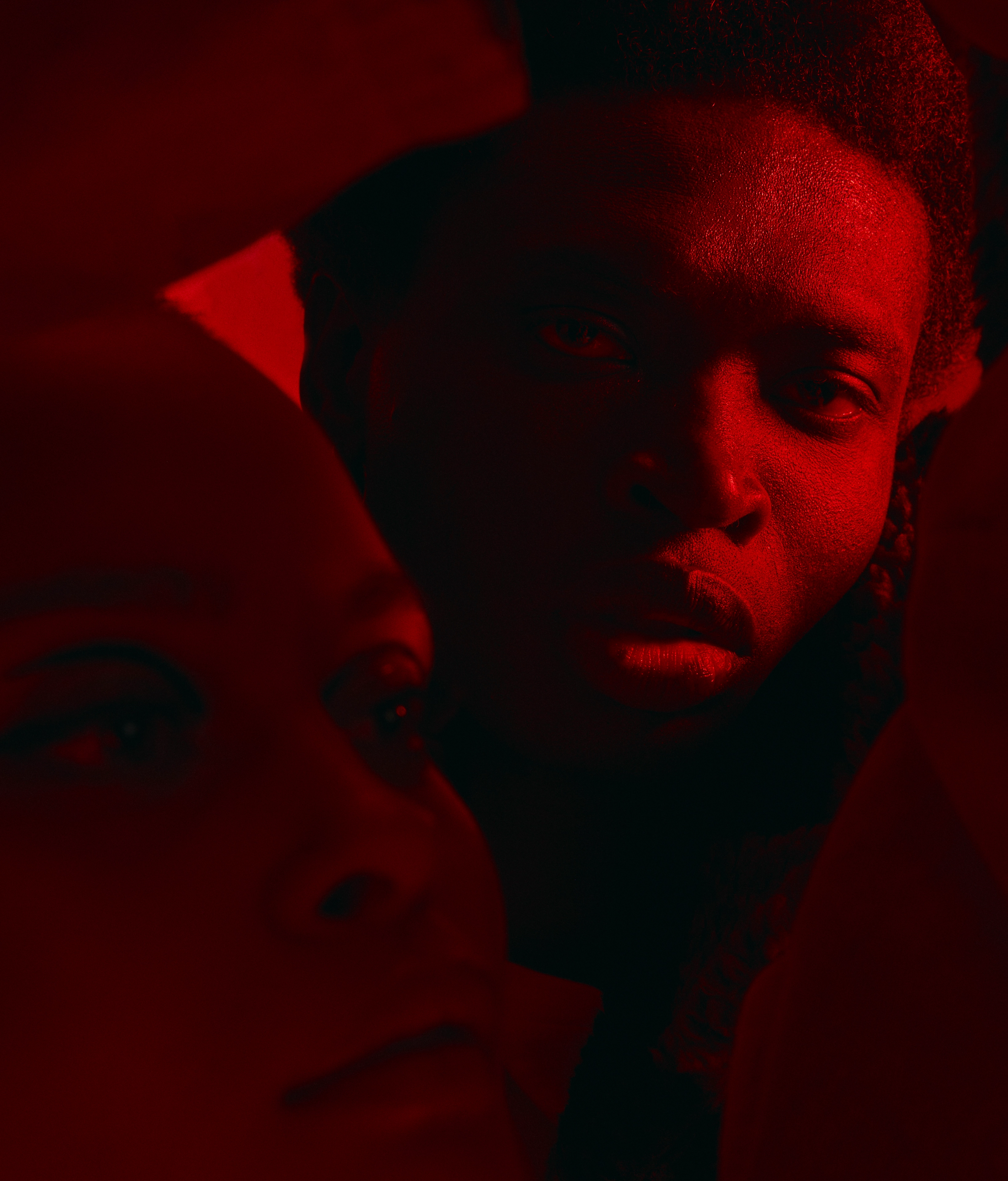
Voyeur
To evoke a sense of curiosity, fascination, or desire to understand and explore the lives of others.
Vérité
To provide an unfiltered and genuine portrayal of reality, allowing viewers to connect with the raw emotions and experiences of our subjects.
Voyeur Verite is
an independent,
artist-founded
creative
studio
Focused on human-centered storytelling across feature, short-form, and micro-series formats, operating at the intersection of culture, product, and emergent technology.
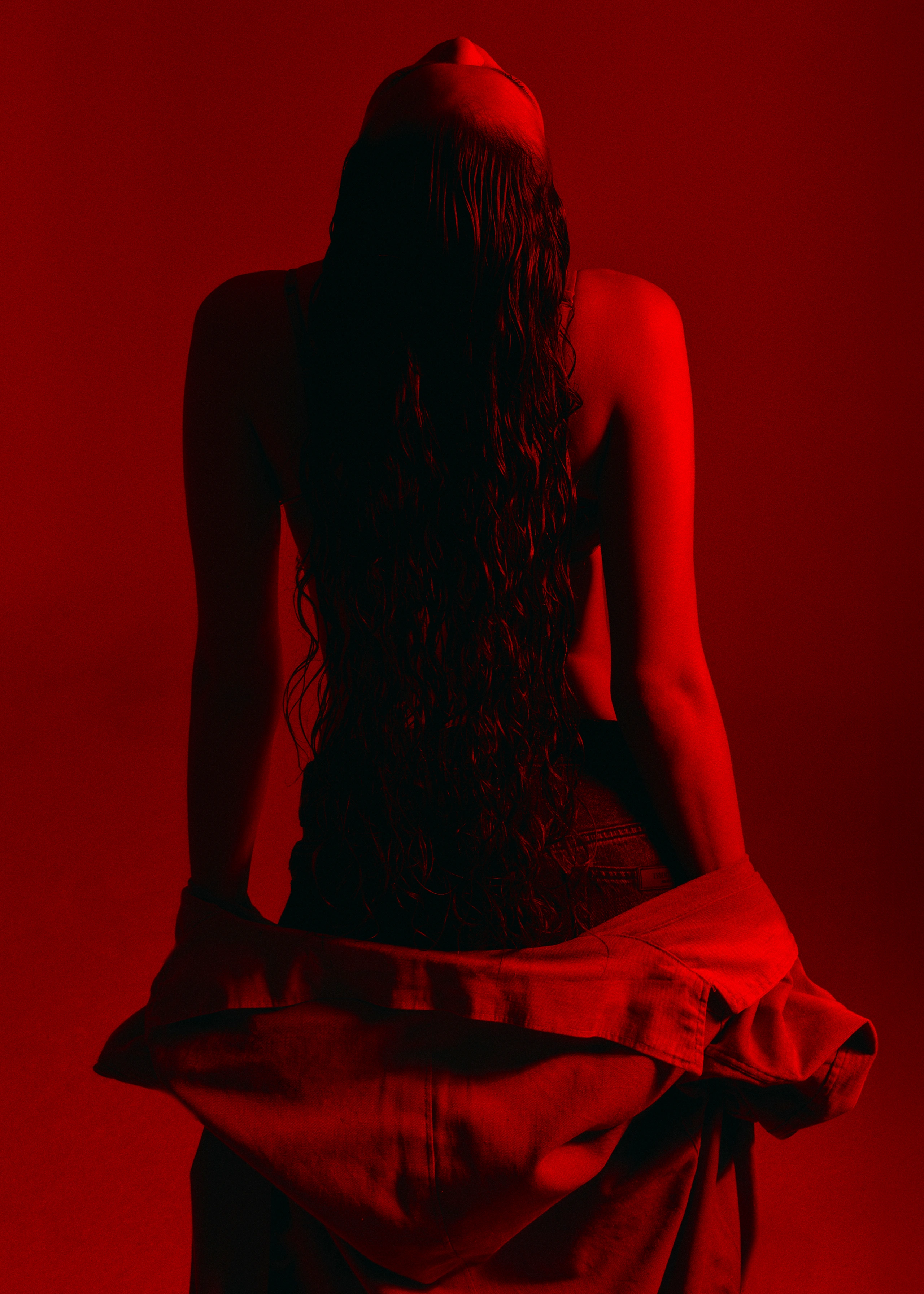
We move toward what’s real, not what’s easy. No performance, no safety net. Just life as it unfolds, messy, quiet, explosive, and the belief that truth, when you sit with it long enough, speaks louder than anything we could manufacture.
01
We don’t look away. Not when it cracks, not when it hurts. Vulnerability is the doorway, but it’s endurance that gets us through it. Staying with it long enough for something real to emerge.
03
We arrive open. Listening before shaping, observing before deciding. The story isn’t ours to force, it’s ours to find. Every misstep sharpens the eye, every moment teaches us how to see more clearly.
02
The world keeps shifting, so we keep moving. New textures, new tools, new ways of seeing, always anchored in something human. Not chasing what’s next, but using it to get closer to what’s true.
04
Truth Has a Lineage.
Agnès
Varda
Used documentary and fiction to capture the poetry of everyday life through a deeply personal, observational lens. In films like Cléo from 5 to 7 and The Gleaners and I, Agnès Varda blended reality, memory, and spontaneity, turning ordinary moments into intimate reflections on humanity, time, and connection.
Charles Burnett
Brought a neorealist eye to American cinema, blending observation with deeply personal storytelling. Shot in Watts with non-actors and natural settings, Killer of Sheep captures everyday Black life with a quiet honesty that feels lived in rather than staged.
Chris Hegedus
A central figure in American vérité, known for capturing life as it unfolds with minimal interference. With her partner D.A. Pennebaker, she co-directed The War Room, taking viewers inside Bill Clinton's 1992 presidential campaign with an immediacy that feels completely unfiltered.
Dziga
Vertov
Laid the philosophical foundation for observational film. He coined kino-pravda, "film truth," and developed the idea of the "Kino-Eye," believing the camera could reveal a deeper truth than human vision alone. Decades later, French filmmakers translated his idea into the name of a movement: cinéma vérité. In Man with a Movie Camera, he used real-life observation and experimental editing to capture the rhythm of modern life.
Jean
Rouch
Challenged the idea of documentary objectivity by treating the camera's presence as part of the truth itself. With sociologist Edgar Morin, he made Chronicle of a Summer, the film that gave cinéma vérité its name. Through it and Moi, un noir, Rouch defined vérité as a collaborative encounter between filmmaker and subject.
Les
Blank
Celebrated the rhythms, traditions, and people of American culture through an intimate, humanistic lens. In films like Burden of Dreams and Garlic Is as Good as Ten Mothers, Les Blank found meaning in music, food, and community, making observational films that felt alive, personal, and rooted in place.
Marlon
Riggs
Merged personal narrative with political urgency, challenging traditional nonfiction through poetry, performance, and testimony. In Ethnic Notions and Tongues Untied, Marlon Riggs confronted race, identity, and sexuality with a voice that was both deeply intimate and radically confrontational.
D.A. Pennebaker
Helped pioneer a new kind of documentary alongside Robert Drew, Richard Leacock, and the Maysles brothers, using lightweight handheld cameras and synchronized sound to capture life as it happened. Through Dont Look Back and Monterey Pop, D.A. Pennebaker placed audiences inside cultural moments rather than observing them from a distance.
Safi
Faye
Turned observational filmmaking toward her own community in rural Senegal, blending vérité, ethnography, and personal storytelling to challenge Western documentary perspectives. A collaborator of Jean Rouch before directing her own work, she made Kaddu Beykat an act of cultural preservation, memory, and self-representation.
Shirley Clarke
Broke documentary conventions by blending cinéma vérité with experimental filmmaking, exploring identity, performance, and psychology in raw and uncomfortably intimate ways. With Portrait of Jason, Shirley Clarke pushed documentary beyond observation into a confrontation between subject, camera, and audience.
The Maysles Brothers
Albert and David Maysles defined American direct cinema, a term Albert coined, through an approach built on access, patience, and non-interference. They trusted that behavior, silence, and time could reveal more than explanation ever could. Through Salesman (with Charlotte Zwerin) and Grey Gardens (with Ellen Hovde and Muffie Meyer), they captured humanity in its most raw and unscripted form.
William Greaves
Pushed vérité into a more experimental, self-aware space, blurring the lines between reality, performance, and the act of filmmaking itself. In Symbiopsychotaxiplasm: Take One, William Greaves turned the camera back on the process, challenging traditional ideas of truth, observation, and authority in documentary.
Together
these
filmmakers
built
a language
rooted
in intimacy,
patience and
respect
one that values emotional truth over control and observation over instruction.
Commisions & Collaborations
hello@voyeurverite.comDomestic & International Film Sales
Publicity
Legal
We love hearing from people who see the world differently. Filmmakers, artists, technologists, and collaborators across culture and craft. Email development@voyeurverite.com to introduce yourself and your work. No representation required. To protect everyone, please don't send scripts, treatments, footage, or story ideas until we ask. Unrequested material is deleted unread, and sending it creates no confidential relationship or obligation to pay or credit you. See our Privacy Statement.